15 October 2026
Why Mold Containment Procedures Matter for Safe Remediation
Presented by @moldcontainmentprocedurespath
When you discover mold growing in your home or business, the first instinct is often to grab a spray bottle and start scrubbing. But anyone who has dealt with a significant infestation knows that approach can make things worse. Without proper mold containment procedures, disturbing mold sends spores flying through the air, contaminating other rooms and putting everyone inside at risk. I have seen homeowners turn a small bathroom problem into a whole-house nightmare simply by not understanding how mold behaves once it is disturbed.
The reality is that mold remediation is not just about killing what you can see. It is about controlling the invisible particles that drift through the air. That is where mold containment procedures come into play. These are the steps professionals use to isolate the affected area, prevent cross-contamination, and protect both the occupants and the workers. They are not optional. They are the difference between a clean fix and a recurring problem that spreads deeper into the building structure.
What Makes Mold Containment Different from Regular Cleaning
Mold is a living organism that reproduces by releasing spores into the air. When you wipe a visible patch of mold, you are physically disturbing the colony, and thousands of spores become airborne in an instant. A regular cleaning approach does not account for this. Containment procedures are designed specifically to keep those spores from traveling to clean areas of the building. This involves creating a physical separation between the contaminated zone and the rest of the property.
The most basic tool for this is a containment barrier. In practice, that usually means hanging thick polyethylene sheeting over doorways, windows, and HVAC vents. The sheeting is taped down tightly to prevent gaps. This creates a containment zone where the air pressure can be managed separately from the rest of the building. Without that barrier, air currents from fans, footsteps, or even the opening of a door can carry spores down a hallway and into a bedroom or office.
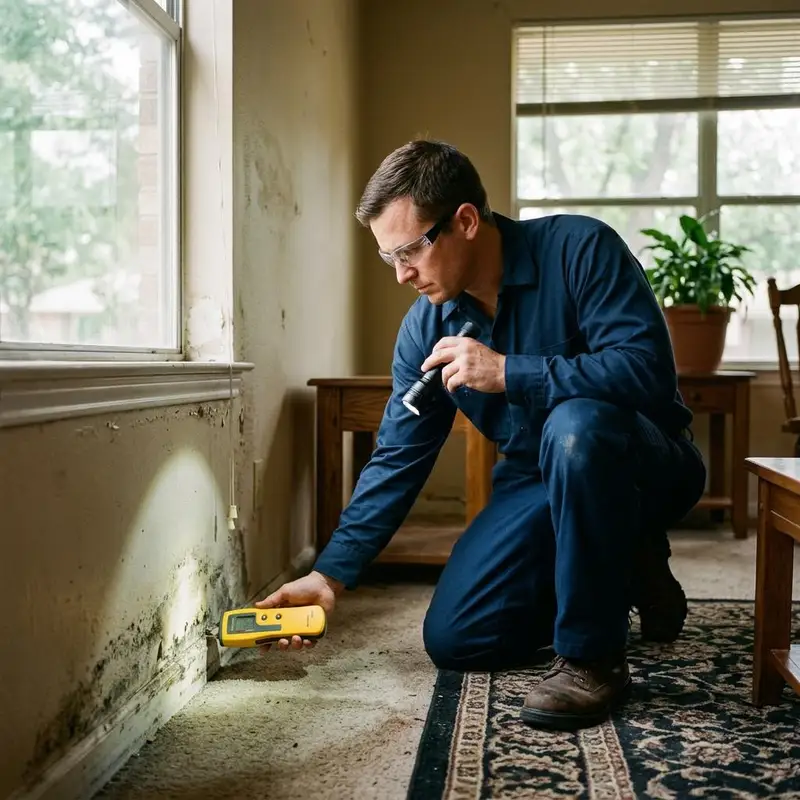
Negative Air Pressure and Air Filtration
Once you have a physical barrier in place, the next step is managing the air inside the containment zone. This is where negative air pressure becomes essential. An air scrubber with a HEPA filter is placed inside the contained area, and it exhausts air to the outside or through a secondary filtration system. The result is that the pressure inside the containment zone is lower than the pressure outside. That means if there is a small gap in the barrier, air flows into the containment zone rather than out of it. Spores stay where they belong.
I have worked on projects where the containment was set up properly, and the difference was obvious. The air inside the containment zone felt heavy and stagnant, but the hallway outside remained clear. Without negative air pressure, even the best polyethylene sheeting can fail because spores are small enough to pass through tiny gaps. A HEPA vacuum is also used to clean surfaces inside the containment zone. Standard vacuum cleaners blow fine particles back into the air, but a true HEPA vacuum traps those particles and keeps them contained.
Personal Protective Equipment Is Not Optional
Anyone working inside a containment zone needs proper PPE. This is not just about comfort. Mold spores can cause respiratory issues, skin irritation, and allergic reactions even in healthy individuals. For people with asthma or compromised immune systems, exposure can be dangerous. The minimum standard is an N95 respirator, which filters out at least 95 percent of airborne particles. But for larger jobs or more toxic mold types, a full-face respirator with P100 filters is better.
PPE also includes disposable coveralls, gloves, and eye protection. The coveralls prevent spores from clinging to clothing and being carried outside the containment zone. When you leave the work area, you remove the coveralls and dispose of them inside the containment zone. This is part of the decontamination process that keeps spores from traveling on your body or clothes. I have seen remediation companies skip this step to save time, and it almost always leads to complaints about mold showing up in unexpected places days later.
Moisture Control and the Role of Equipment
Containment procedures do not end with the physical setup. You also have to manage the moisture levels inside the containment zone. Mold thrives in damp conditions, and if you are working in a space with high humidity, you are essentially fighting against the environment. A dehumidifier is often placed inside the containment zone to keep the relative humidity below 50 percent. This helps prevent the mold from spreading further while you work.
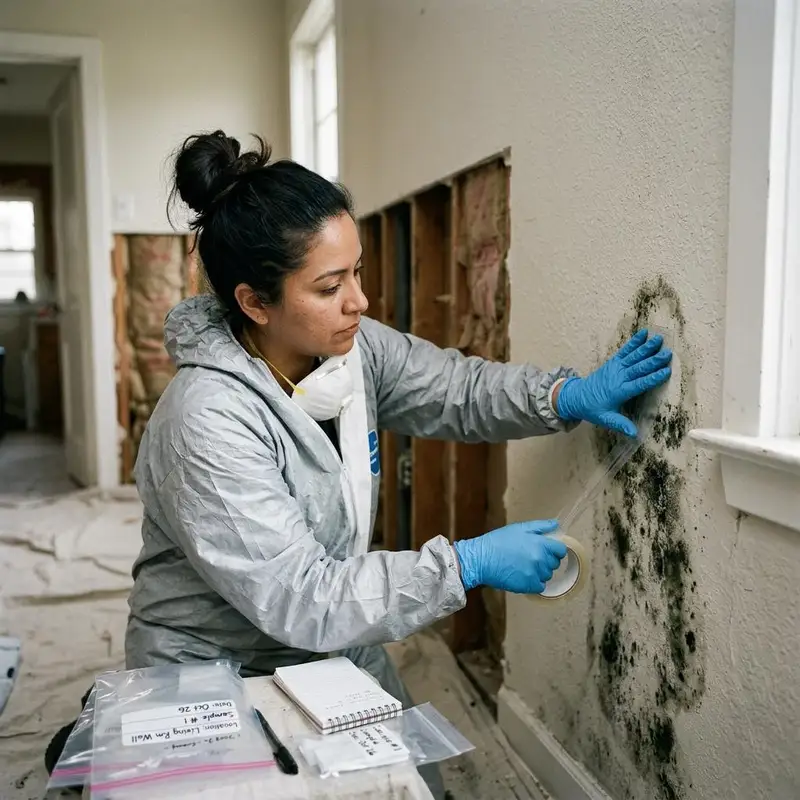
An air scrubber also plays a role here. By continuously cycling the air through a HEPA filter and sometimes a carbon filter, the machine reduces the spore count in the air. This makes the environment safer for the workers and reduces the chance that spores will settle on clean surfaces after remediation. Some jobs also require an isolation chamber for highly contaminated materials. This is essentially a small tent within the containment zone where the worst of the mold is removed. It adds an extra layer of protection.
Following Guidelines for Safety and Effectiveness
There are established standards for mold remediation, and they exist for good reason. EPA guidelines provide a framework for how to handle different levels of contamination. OSHA standards cover worker safety, including proper use of respirators, ventilation, and hazard communication. A reputable remediation company follows these guidelines to the letter. That means documenting the containment setup, monitoring air quality, and performing clearance testing after the work is done.
Clearance testing involves taking air samples both inside and outside the containment zone to compare spore counts. If the count inside is still elevated, the containment stays up and the work continues. This is not about being overly cautious. It is about making sure the problem is actually solved. I have seen cases where a quick cleanup left hidden mold behind, and it returned within weeks because the moisture source was never addressed. Mold containment procedures are only as good as the follow-up work.
Why You Should Leave This to Professionals
Some homeowners attempt DIY mold removal to save money, and for very small patches of surface mold, that can work. But once the affected area exceeds about ten square feet, the risks go up significantly. Professional remediation companies have the training and equipment to set up containment properly. They bring HEPA vacuums, air scrubbers, dehumidifiers, and containment barriers. They also know how to handle the HVAC system so that mold does not get pulled into the ductwork and spread throughout the building.
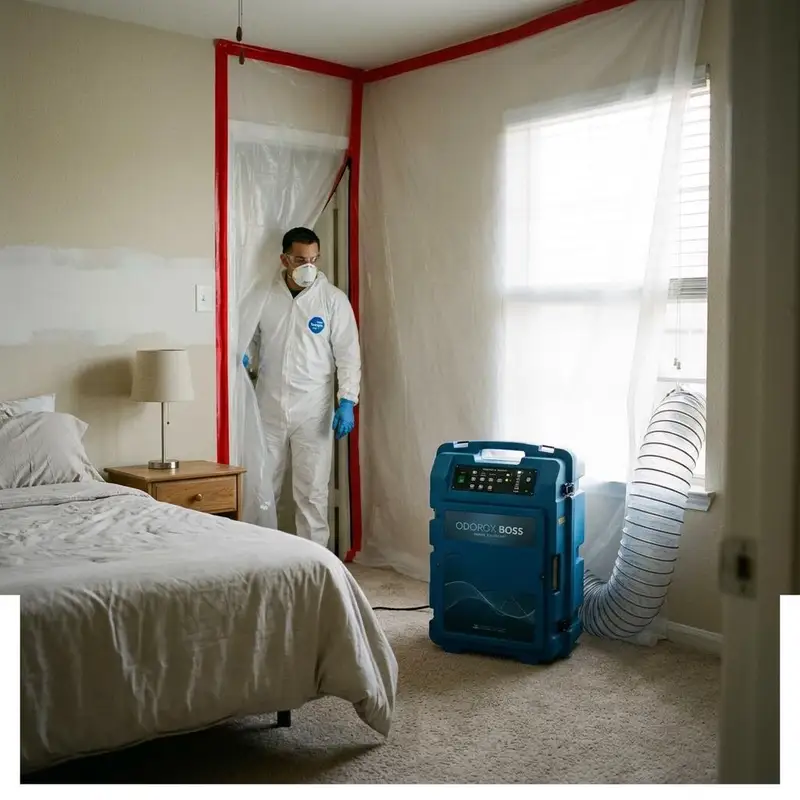
I have consulted on jobs where the homeowner tried to clean mold themselves and ended up shutting down the entire floor of an office building because the spores spread. The cost of professional containment is small compared to the cost of fixing a building-wide contamination. Mold containment procedures are not a luxury. They are a necessary part of any serious mold remediation effort. They protect the property, the occupants, and the people doing the work.
If you are dealing with mold in your home or business, do not underestimate the importance of proper containment. The right approach starts with a thorough inspection, moves through setup of a containment zone, and ends with clearance testing that confirms the air is safe. It takes time and effort, but it is the only way to ensure the mold is gone for good.